

ChatGPT Visual Ads in Image Generation: What OpenAI's Update Means
2026-10-09
ChatGPT image generation is getting visual ads from OpenAI, starting in the U.S. this October. Here's how the ads, labels, and sensitive-conversation guardrails work.
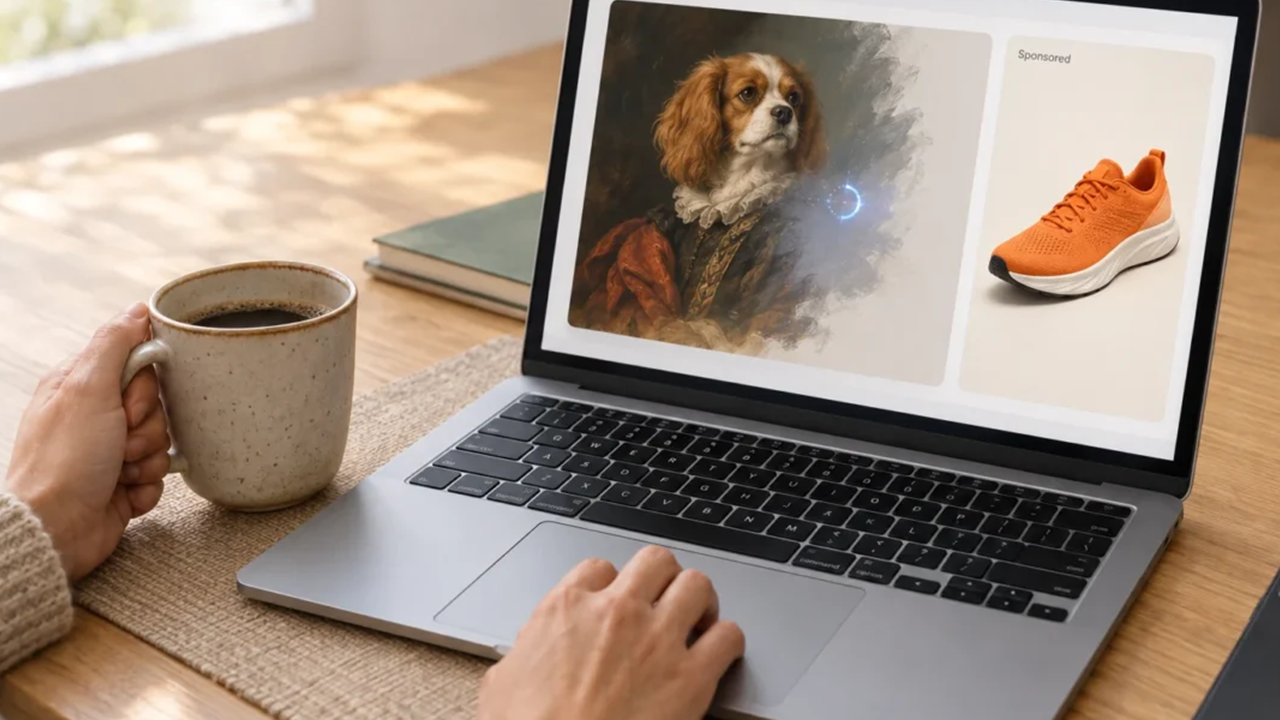

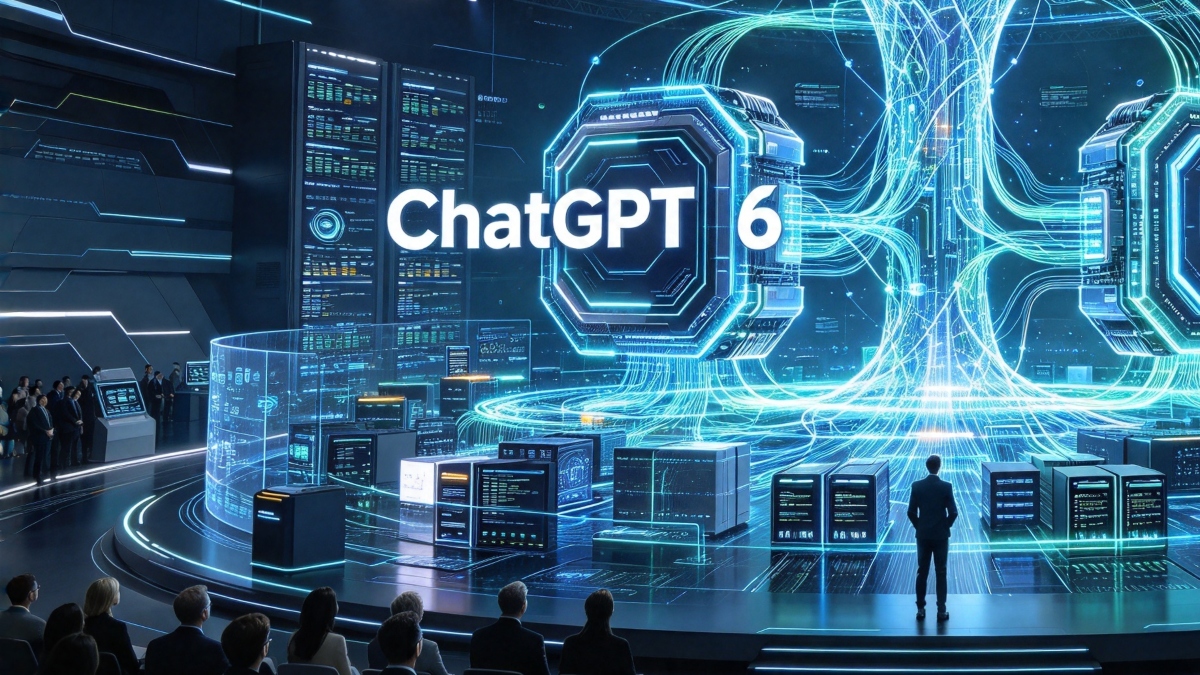
OpenAI announced on October 5, 2026 that it's adding visual ads to ChatGPT, and the first place they'll appear is inside image generation. If you ask ChatGPT to make a picture, an ad will sit alongside the result, starting later this month in the U.S. only.
That's a smaller change than it sounds and a bigger one than OpenAI wants you to think. Ads beside your generated image won't rewrite your prompt, but they mark the point where ChatGPT stopped being an ad-free assistant and became an ad-supported product for free users. Here's what's actually changing.
OpenAI Advertising Expands Into Images
OpenAI introduced ads earlier this year to fund its free and low-cost subscription tiers, then expanded them to India in August. The visual format is the next step, aimed at advertisers who want to tell their story with imagery rather than text.
The mechanics are straightforward. When you generate an image, a display ad appears beside or just beneath it. An initial test group of advertisers supplies the creatives. The ads are clearly labeled and, per OpenAI, won't influence the answers ChatGPT gives you.
This follows OpenAI's bet that ads can carry a meaningful share of the cost of serving free users. ChatGPT's weekly user base gives advertisers a scale most platforms can only envy, and image generation is a natural place to show visual creative: you're already looking at a picture, so a sponsored image isn't as jarring as a text ad in the middle of a conversation.
What ChatGPT Image Generation Ads Look Like
The key detail is separation. The ad sits apart from your generated image, not inside it. Your prompt still produces the picture you asked for, and the ad is a distinct element near it.
That distinction matters because the obvious fear with ads in image generation is contamination: that a sponsored product sneak into the output, or that the model starts nudging your results toward an advertiser's look. OpenAI says the ads won't influence the answers, and the separation is the mechanism that makes that claim credible. Whether it holds up under real use is something only rollout will show.
The format is also logical from a business standpoint. An image-generation session holds attention for several seconds while the picture renders and the user studies it. That's fertile ground for a display ad, and it explains why OpenAI picked this surface rather than, say, plain text conversations.
The Guardrails Around Sensitive Conversations
The part worth paying attention to is the guardrail layer. OpenAI is routing ads through systems that assess whether a conversation is emotionally vulnerable or sensitive before an ad appears. If the conversation reads as sensitive, no ad.
That's a sensible safeguard and a hard thing to get right. Emotional context is subjective, and a model judging whether a chat is "sensitive" will sometimes get it wrong in both directions: skipping ads on innocuous conversations and, worse, showing one during a genuinely difficult moment. OpenAI hasn't published the thresholds, so the guardrail's effectiveness is something users will test in the wild.
For anyone using ChatGPT for personal or mental-health-adjacent conversations, the guardrail is the feature that decides whether the ad experience feels tolerable or intrusive. Its existence is reassuring. Its reliability is unproven.
Ad Measurement Partners and Brand Suitability
Beyond the ads themselves, OpenAI is expanding the machinery around them. That's the unglamorous work that makes an ad business function, and it's a clear signal OpenAI intends this to scale.
The measurement partnerships now cover click attribution through tools like AppsFlyer, Adjust, Branch, Kochava, Airbridge, and others, plus full-funnel partners including Fospha, Measured, and INCRMNTAL. OpenAI is also working on geo-based ad experiments with Haus, Measured, and WorkMagic, and developing brand suitability pilots with DoubleVerify and Integral Ad Science.
For advertisers, this is the difference between a novelty and a channel. Suitability tools let brands avoid appearing next to content they don't want to be associated with, and attribution tools prove whether the spend worked. Once both exist, ad budgets follow.
What ChatGPT Ads Mean for Users
Here's the practical read for anyone on a free or low-cost plan. The experience is about to have more advertising, and the company's economics depend on it working.
The ads are labeled and separate from your output, so the immediate impact on answers is limited. The bigger question is long-term: an ad-supported free tier and an ad-free paid tier create a fork where avoiding ads becomes a reason to subscribe. That's a normal playbook, and it's the direction OpenAI is clearly heading.
Advertising also changes incentive. An assistant whose free tier earns from ads has a reason to keep free users engaged longer, and that shapes everything from notification behavior to how prominently features are gated behind subscriptions. None of that has to be bad, but it's a different product philosophy than an assistant funded purely by paid tiers.
If ads bother you, the paid tiers stay ad-free. If you're fine with them, the free tier remains usable. What's changing is that ChatGPT joins the list of products where "free" now means "with advertising," and the split is being formalized by design rather than accident.
Will the guardrails actually hold up? That's the open question. OpenAI hasn't published how it decides a conversation is sensitive, so the answer will only show up in real use.
Privacy is the other thread to watch. Ads need targeting to be worth anything to advertisers, and targeting needs data. OpenAI says the visuals won't influence answers, but it hasn't spelled out exactly how ad relevance is determined or what conversation signals feed into it. The guardrail review implies the system reads conversation context, which is a lot of signal flowing into an ad decision. Users who care about that should check what data the app can access in their device privacy settings, and lean on the paid tier if the tradeoff isn't worth it.
The rollout is also U.S.-only to start, so everyone outside the country stays ad-free for now. That won't last. Once the format proves out, expansion follows the same path as text ads, which reached India within months.
The Bottom Line on ChatGPT Visual Ads
OpenAI is bringing visual display ads into ChatGPT image generation later this month in the U.S., with clear labels, separation from your output, and guardrails that screen out sensitive conversations. Alongside it, expanded measurement and suitability partnerships show this is a long-term build, not an experiment.
Download the ChatGPT app from APKPure to stay on the current version, and check your subscription tier in settings if you want to know whether ads will reach you. Keeping the app updated means you get labeled ads and the guardrail behavior as OpenAI ships them, rather than a stale build, and a quick look at your account type tells you exactly what to expect. It's also a good moment to review the app's privacy and permissions settings, since ad targeting makes the question of what data the app can reach more relevant than it used to be.
 NEWS
NEWS REVIEWS
 HOWTO
HOWTO