

Poppy Playtime Chapter 3 Review: The Scariest Chapter Yet, With One Glaring Catch

2026-07-23
I spent 12 hours in Playcare for this Poppy Playtime Chapter 3 review. Here's what the CatNap chapter gets right, where it stumbles, and whether it's worth downloading on Android.
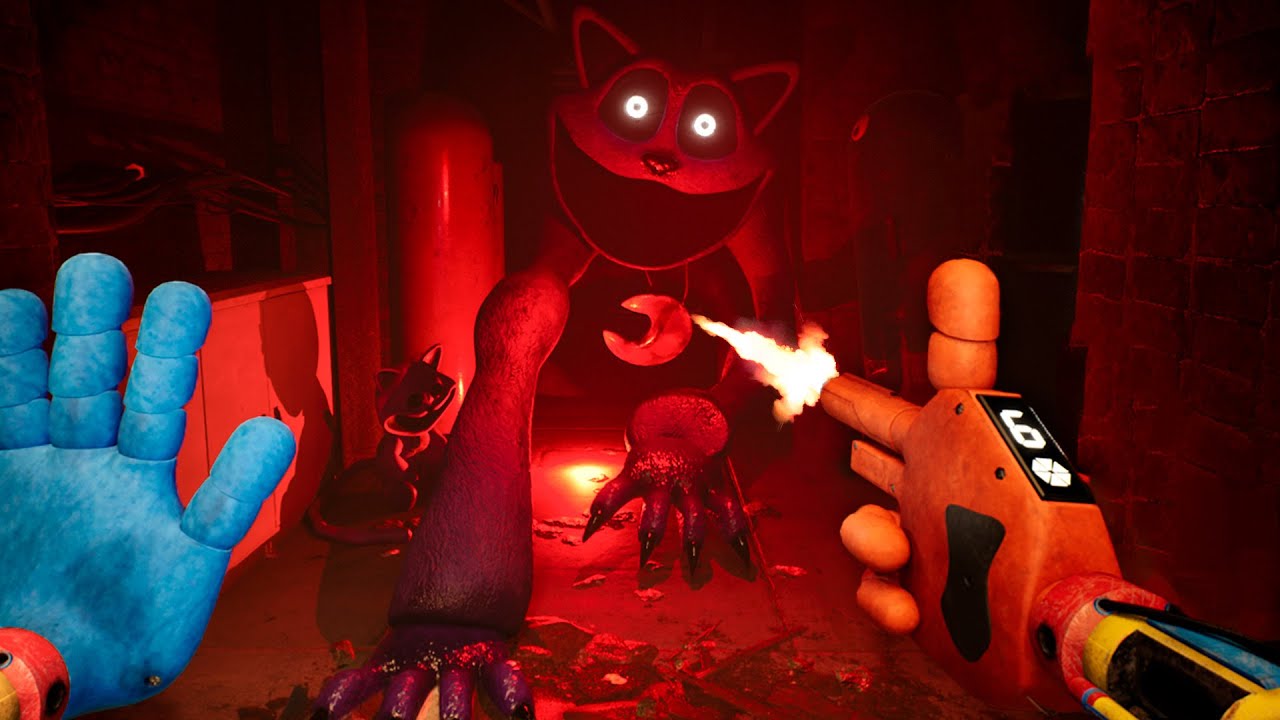
Poppy Playtime Chapter 3 is a first person horror puzzle game that expands the series with Playcare exploration.

After two playthroughs and roughly 12 hours in Playcare, I can say this: Poppy Playtime Chapter 3 is the best the series has been, and also the most frustrating. The atmosphere is a genuine step up from Chapter 2. The stalker-style villain works better than any chase sequence Mob Entertainment has done. But the mobile version still wrestles with technical issues that drag down the experience in the moments where it matters most.
This Poppy Playtime Chapter 3 review covers what the game gets right, where the Android port falls short, and who should actually download it.
Poppy Playtime Chapter 3: Playcare Is a Genuinely Unsettling Space
The setting is what carries Chapter 3. Playcare is a massive underground orphanage built beneath the toy factory, and every room has a story. The School with its broken desks and blood-stained lesson plans. Home Sweet Home, where the beds are too small and the drawings on the walls all show the same smiling purple cat. The Counselor's Office with tapes you don't want to listen to but have to. The environmental storytelling here is the best in the series.
What makes Playcare different from the factory floors in Chapter 1 and the Game Station in Chapter 2 is how lived-in it feels. The horror here comes from knowing children lived in these rooms, and something awful happened to them, and the place still carries it. The toys coming to life is one thing. That history is another. The scattered notes and audio tapes fill in the backstory without ever spelling everything out. You piece together the orphanage's purpose and the Prototype's role one tape at a time, and by the end the toys start to feel less like monsters and more like victims.
Poppy Playtime Chapter 3: CatNap vs Previous Villains
CatNap is the best antagonist Mob Entertainment has designed. Period. Huggy Wuggy was a good first scare. Mommy Long Legs was creative. CatNap is the first one that actually feels intelligent.
He doesn't chase you immediately. He watches. You'll be solving a puzzle and notice him on a catwalk above you, purple fur barely visible in the dark, then gone. Ten minutes later, you'll turn a corner and hear humming coming from a vent. He's always nearby, and the anticipation is what makes him work. By the time the actual chase begins, you've already been scared by him half a dozen times.
The red smoke is his signature ability, and it's used well. It creates hallucinations that feel disorienting without being cheap. The Huggy Wuggy cameo during one hallucination sequence genuinely got me, and I knew something was coming. The smoke also serves as a gameplay mechanic through the gas mask system, which adds resource management tension without becoming annoying.
The final encounter relies on electricity rather than combat, which fits the series' avoidance of direct fighting. The Prototype's intervention at the end is abrupt, but it sets up Chapter 4's stakes cleanly.
Poppy Playtime Chapter 3: Where the Gameplay Stumbles
Not everything in Chapter 3 lands. The GrabPack puzzles are more varied than Chapter 2's, with the flare attachment and the green hand adding new mechanics, but the novelty wears off around the third generator puzzle. You start recognizing the pattern: find the power source, trace the wire, use the correct hand on the correct color panel, repeat. The School section breaks this up with Miss Delight's chase sequences, but the Home Sweet Home area falls back into the same puzzle rhythm.
The Smiling Critters, the small toy creatures that swarm you in certain sections, feel undercooked. They're introduced as a threat, then mostly become an annoyance you shoo away with the flare. They don't have the presence that the chapter's marketing suggested they would. DogDay, the larger Critter, gets a genuinely tragic and effective scene, then disappears from the story entirely.
Boss variety is another weak spot. CatNap carries the chapter. Miss Delight's section is tense and well-designed. But after those two, the other encounters feel like filler. The mini Critter swarms never escalate in a meaningful way. Chapter 2 had the same issue. Hopefully Chapter 4 breaks the pattern.
Poppy Playtime Chapter 3 Android Performance
Here's the catch. The Android version of Poppy Playtime Chapter 3 is playable but inconsistent. On a Snapdragon 8 Gen 2 device with 8GB of RAM, the game ran at a mostly stable 30fps with occasional drops to 20-22 during the CatNap chase. On a mid-range Dimensity 1200 phone, the School section frequently dropped below 20fps, and the gas mask refill stations had noticeable input delay.
The touch controls are functional but imprecise. The GrabPack aiming reticle is too small on a phone screen, and I missed interactive objects more times than I'd like because my thumb wasn't exactly on the right pixel. The game supports Bluetooth controllers, and if you have one, use it. The difference is night and day.
The audio on Android is surprisingly good. Mob Entertainment put real work into the binaural sound design, and with headphones, you can track CatNap's position by his humming and Miss Delight's location by her footsteps. Phone speakers flatten the audio, but any decent headphones restore the experience.
The current version is better than the launch build. Recent patches fixed the School generator room crash and improved framerate stability. But it's still a PC-first game running on phone hardware, and it shows.
Poppy Playtime Chapter 3 Verdict: Should You Play It?
If you liked Chapter 2, Chapter 3 is a clear upgrade. Better villain, better setting, better story payoff. The atmosphere alone is worth the playtime, and CatNap is going to stick with you. The mobile version's technical limitations are real but not deal-breaking on a decent phone, especially with the latest patches.
If you're new to the series, start with Chapter 1. Chapter 3 builds on lore from both previous chapters, and jumping in here will leave you confused about who Poppy is, what the Prototype wants, and why you should care about any of it.
If you have a mid-range phone from 2021 or earlier, temper your expectations. The game will run, but the CatNap chase won't be the highlight it's supposed to be. On a flagship device or with a controller, it's a solid experience.
Poppy Playtime Chapter 3 is the best chapter in the series so far, and the ending makes a strong case for Chapter 4. Just make sure your phone can handle Playcare before you walk through the door.
To sum it up, here's a quick breakdown of what works and what doesn't:
Pros
- CatNap is the series' best villain, shifting from stalker to chaser in a way that builds real dread
- Playcare's environmental storytelling is a significant step up from previous chapters
- Miss Delight's sound-based chase mechanics add variety to the puzzle gameplay
- Binaural audio design works well on Android with headphones
Cons
- GrabPack puzzles start repeating their patterns by the second half
- Android performance on mid-range devices still struggles during demanding sequences
- Touch controls are imprecise, making precise GrabPack interactions frustrating without a controller
- Smiling Critter enemies feel underdeveloped compared to their marketing presence
Chapter 3 is the strongest entry in the series so far, delivering the best villain, the most atmospheric setting, and the most satisfying story beats. But it's also the most technically demanding chapter yet, and the mobile experience depends heavily on your device.
Poppy Playtime Chapter 3 is a first person horror puzzle game that expands the series with Playcare exploration.
 NEWS
NEWS REVIEWS
 HOWTO
HOWTO