

What Is the Sunbird App? iMessage on Android Explained

2026-09-21
Sunbird puts iMessage and blue bubbles on Android for .99 a month. Learn how the rebuilt app works, its pricing, security record, and limitations.
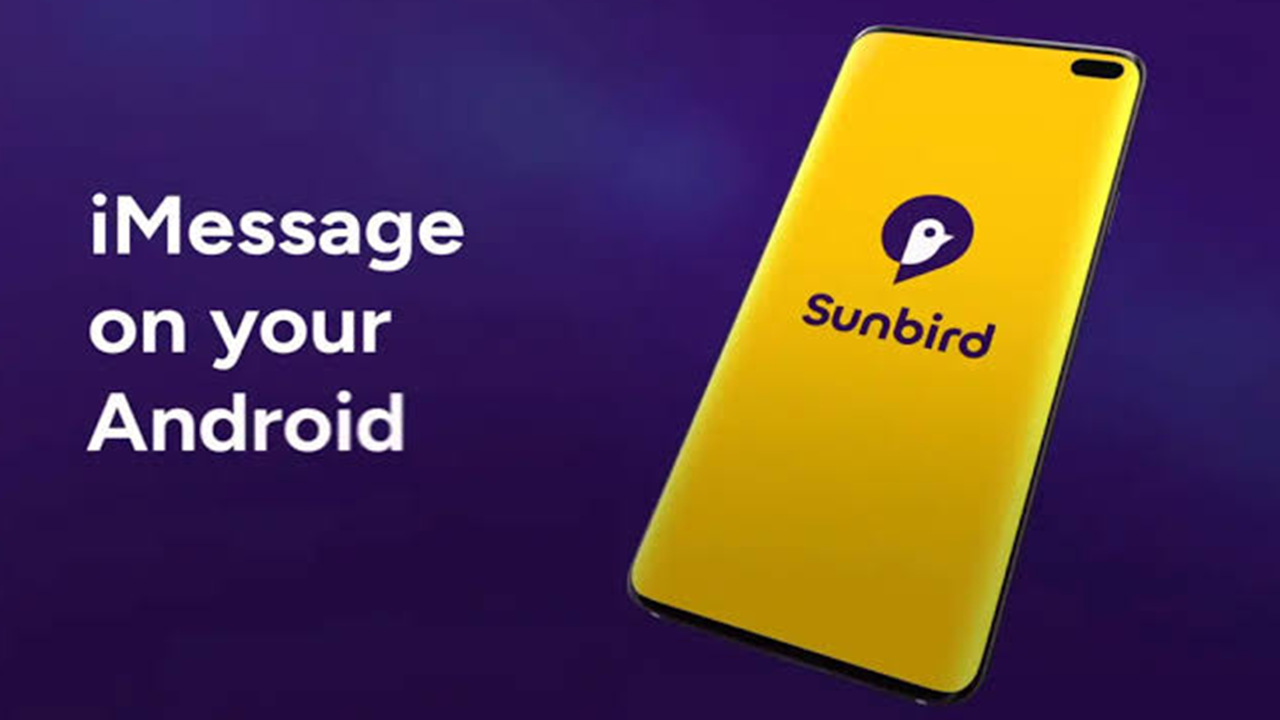
The sunbird app is a messaging client that lets an Android phone send iMessage texts that show up as blue bubbles on iPhones. That's the short version. The longer one involves a failed first attempt in 2022, a security scandal that killed the app, and a rebuilt version that returned to the Play Store in 2026 for $2.99 a month.
Why care? Because the green bubble thing is a real social tax. A 2025 survey found 38% of Android users had missed or misunderstood messages due to iPhone-Android incompatibility, and 30% had considered switching phones over the pressure. If you're the only Android in a group chat full of iPhones, Sunbird is built for exactly that problem. Here's how it works, what it costs, and where it falls short.
What Sunbird Actually Does
The core pitch: iMessage on Android without needing a Mac, a second Apple device, or any extra hardware. You install the app, connect an Apple ID, and your iMessage conversations appear alongside your Google Messages and SMS threads in one inbox.
To your iPhone friends, your messages arrive as proper blue bubbles. Not green. That's the feature people pay for, and it's also where most of the skepticism lands. Blue bubbles alone don't change much about what you can send. What matters more is that reactions, replies, high-quality video, and group management tools work the way iPhone users expect, instead of breaking the moment an Android phone joins the chat.
The company behind it, Sunbird Secure Messaging, rebuilt the whole stack around the security problem rather than patching the old code. That's the pitch, anyway. More on whether to believe it below.
Sunbird also folds three messaging systems into one place. iMessage, Google Messages (RCS), and SMS/MMS all live in the same app, so you're not hopping between two or three clients to reach different friend groups. For an Android user stuck in an iPhone-heavy social circle, that single inbox is the practical benefit.
The timing is odd, and worth naming. Apple adopted RCS in 2024, so a chunk of what Sunbird originally promised, like better photo quality and typing indicators, now works between Android and iPhone for free. The company's answer is that RCS results are inconsistent and still don't make an Android user a full member of an iMessage group chat. Reactions, replies, and group management features still break when an Android phone is in the mix, and messages still show up green. That gap is the entire reason a paid app can exist in 2026.
How the Sunbird App Works Behind the Scenes
Here's the part that matters, because it's the same design that got the app pulled the first time. Sunbird needs your Apple ID to set up an iMessage session. It uses the credentials once, then destroys them according to the company, and the ongoing session is managed by Apple's own Messages software the same way a Mac would handle it.
Your messages get encrypted on the device before they leave it, travel over certificate-pinned connections, and rest on the phone with AES-256. Sunbird says it doesn't keep your message history. Conversations live on your device and the recipient's, and a message passing through Sunbird's servers is released once delivered. Media gets a hard expiration of roughly 48 hours, never longer than 72. On the final leg to an iPhone, Apple's own iMessage encryption takes over, and Sunbird says it doesn't touch that layer.
That's the claim. The 2023 reality was the opposite: credentials sent unencrypted over HTTP, an attacker able to intercept messages and attachments, and employees with access to a platform storing message content. The company says an independent security firm tested the rebuilt app, failed to reproduce the old findings, and reported no critical vulnerabilities. Independent researchers haven't broadly confirmed that yet, which is worth weighing before you hand over an Apple ID.
There's a real cost to that trust gap. Your Apple ID is the key to your photos, backups, purchases, and every other Apple service on your account. Handing it to any third-party app is a decision you make once and live with, and the last time Sunbird held that key, it didn't hold it carefully.
Is It Free? Sunbird Pricing and Trial
Every new user gets a 14-day free trial. After that, it's $2.99 per month or $24.99 per year, which works out to about 30% off the monthly rate. There's no permanent free tier.
The price history is a clue to how the business is going. Sunbird tested $1.99 a month early on, raised it to $2.99, and says conversion held steady through the increase. The company reports roughly 33% of installs start a trial and about 8% convert to paying subscribers, which it claims is six to eight times the industry average for subscription apps. More than 181,000 people signed up for early access before the public launch.
Whether $2.99 a month is worth it depends entirely on how much the bubble color bothers you. RCS handles photos, typing indicators, and read receipts between Android and iPhone for free now. If basic messaging is all you need, Sunbird solves a problem you might not have. If your iPhone friends' group chats still break when you're included, the subscription buys real participation.
What You Get Beyond Blue Bubbles
The relaunched app adds a priority inbox with Primary and Secondary tabs. People and groups you talk to most stay in Primary, while verification codes and unknown numbers get filed into Secondary. You can drag any conversation between the two to control what gets your attention.
Coming later in 2026: a Sunbird Intelligence suite of on-device AI features. The first is Catch Me Up, a single summary of everything you missed across conversations. An assistant will also handle simple requests like drafting a reply or moving a chat to Primary. Running these on the device is deliberate, so your messages don't get shipped off to a server for processing.
WhatsApp and Facebook Messenger integration is also in late-stage development, targeted for late 2026. If that ships as promised, Sunbird becomes something closer to a universal inbox rather than an iMessage workaround with extra steps.
Limitations to Know Before You Install
The setup isn't trivial. Sunbird is technically in open beta, and connecting iMessage means signing into an Apple ID you're willing to hand to a third party. If most of your messaging happens through a work account or a shared Apple ID, that's a hard stop.
There's also a quirk that catches people off guard: iMessage through Sunbird doesn't register your phone number. Your iPhone contacts will see you by email address instead. That's a small thing until someone can't figure out who's texting them.
The biggest limitation is the one you can't test yourself. The old version failed on security, and the new version's security rests largely on the company's own statements. Android Authority's reviewer suggested waiting for more independent researchers to get their hands on it. That's fair advice. Install it, use the free trial, and don't link an Apple ID you can't afford to lose.

iMessage, Google Messages, and SMS in one inbox. Blue bubbles on Android.
Should You Try the Sunbird App?
If you're the lone Android user in a group chat that's been a low-grade source of jokes for years, Sunbird is the most direct fix available. Blue bubbles, working reactions, and one inbox for everything. The 14-day trial means you can test whether it actually holds up in your real conversations before paying anything.
Keep your expectations honest. RCS already covers the basics for free, the security record is only as good as the company's word so far, and $2.99 a month adds up over a year. Try it, watch how your iPhone friends react to the blue bubbles, and decide from there. Download it from APKPure to get the latest build without the wait.
 NEWS
NEWS REVIEWS
 HOWTO
HOWTO